


Planning a puppy? This is something most owners forget!
Planning a puppy? This is something most owners forget!
Adopting a puppy is a big event, and it is worth preparing for it properly. During their first shopping trip, new owners are often filled with excitement, but also uncertainty.
If you are not sure what your new four-legged family member needs, prepare a puppy starter kit with us and help them feel safe from their very first days at home!

Content

Before we move on to the individual “must-haves”, it is worth remembering your dog’s basic needs.
These include not only food and walks, but also emotional, physical and cognitive needs. A dog needs care, a sense of security, contact with people, and opportunities to play and explore. Their physiological needs are also important, along with proper nutrition, grooming, and consideration of their individual traits — including needs related to breed or age.
Dog’s resting area
Dog bed
A dog’s sense of safety starts with having a suitable place to rest. The bed should be placed in a calm, quiet part of the home, away from draughts and heavy foot traffic, so that your dog can relax and feel comfortable. The type of bed should be chosen according to your pet’s size, age and preferences. With puppies, there is no need to invest in expensive models — young dogs and puppies often chew and damage their bedding, which is linked to the natural need to teethe or play. For this reason, it is better to start with simpler, easy-to-use and affordable solutions.
The bed should be large enough for your dog to stretch out comfortably. Over time, as your pet grows, it may be necessary to replace it with a larger one. A good option is a “dry bed” type bed, which absorbs urine and water, helping to keep the surface dry while preventing moisture from soaking through to the floor. A bed with a removable cover is also a practical choice, as it makes washing much easier.

Fabric playpen / dog crate
A crate or playpen allows you to create a relaxation and resting area for your four-legged friend. The playpen should be large enough to fit your dog’s bed inside and allow your dog to stretch out comfortably. A portable playpen also lets you take a piece of home with you when travelling, for example on holiday, giving your dog a sense of security.
Where should you place your dog’s bed at home?
Your dog’s bed should be placed in a quiet and slightly separated area, while still giving your pet a good vantage point to observe their surroundings and caregiver. Your dog should feel calm and comfortable there. Their resting area should serve as a safe haven, which means the bed should not be placed in a hallway or any other area where people frequently pass by. It should also not be placed next to a direct heat source, such as a radiator, or in a draughty spot.
Dog accessories
The right dog bowl
Another important aspect of safety is the way meals are served and organised. Your dog should have a designated place to eat and a consistent routine — feeding at the same times each day gives them a sense of stability and calm. For puppies, it is recommended to serve smaller portions more frequently to support their development and delicate digestive system. Adult dogs usually do well with 2–3 meals a day, adjusted to their needs and activity level.
A dog should have at least two bowls — one for food and one for water. The size of the bowl should be matched to the dog’s size and the nutritional needs of the breed. Bowls should be difficult to tip over or move around. Metal bowls with a non-slip base or ceramic bowls can work well. It is also a good idea to use a protective mat under the bowls, as it helps prevent the floor from getting dirty during eating or drinking.
There is also a growing shift away from traditional feeding exclusively from a standard bowl towards more engaging ways of serving food. Interactive feeding, such as slow-feeder bowls, sniffing mats or lick mats, not only extends mealtime but also provides mental stimulation and helps reduce stress. This is especially important for energetic dogs or dogs that eat too quickly, as it supports their natural foraging instincts and improves digestion.
Dog leash, collar and harness
Another important element of your dog’s safety and comfort is properly chosen walking accessories — a leash, collar or harness.
A collar is the most popular walking accessory for dogs, but more and more owners are choosing a harness instead. So what should you choose — a collar or a harness?
At the beginning, especially with puppies, a collar is often used to help teach walking on a leash and to get the dog used to wearing something around their neck. Over time, however, it is worth considering switching to a well-fitted guard-style harness, which does not restrict shoulder movement and allows for free, natural motion.
Long training lines are also great for everyday walks, as they give your dog more freedom to explore their surroundings while still allowing the owner to stay in control. In urban areas, however, it is best to use a shorter leash of around 1.5–2 metres, which ensures safety and makes it easier to guide your dog comfortably. Leashes made from materials such as Biothane are becoming increasingly popular — they are durable, weather-resistant and very easy to keep clean.
Dog toys
It is worth setting aside time every day to play with your new family member, as this helps build a bond between the dog and their owner. Through play, dogs also learn appropriate behaviours and new skills more quickly. Play is another key element in meeting a dog’s needs — it supports not only their physical condition, but also their mental development and relationship with their caregiver.
It is best to choose toys with different textures and purposes — for chewing, tugging, fetching or sniffing — to provide your dog with a variety of stimuli. The durability and safety of the materials are also extremely important. Toys should be matched to the dog’s size and strength to avoid the risk of swallowing parts or injury.
Especially at the beginning, a dog should not be left alone with a new toy. It is worth observing how they play with it, whether they try to destroy it or eat any parts. Supervised play not only helps keep your dog safe, but also teaches them how to use toys properly and strengthens the bond with their owner.
Daily dog hygiene and care
Puppy grooming should begin from the very first days in their new home. This is a key moment to calmly and gradually get your dog used to touch and basic grooming routines — especially if you plan to visit a groomer in the future. Regularly familiarising your puppy with having their paws and ears touched, being brushed or having their first bath helps build positive associations and significantly reduces stress later in adult life.
As a result, everyday grooming becomes something natural for your dog rather than a source of tension. It is not only a matter of hygiene, but also an important part of building trust and a sense of security.
How to choose the right shampoo
- Products specifically designed for this purpose should be used for bathing. “Human” cosmetics are not recommended, as they are not adapted to the needs of animals’ skin and coat.
- Pay attention to the safety and quality of the products to make sure they will not harm your pet.
- Avoid shampoos containing colourants, as they may cause irritation and allergies.
- It is worth paying attention to the scent of shampoos. Research shows that fragrance-free products are best tolerated by animals. Scents that are attractive to humans may be unpleasant for a dog’s nose.
- Puppies should be bathed with gentle shampoos designed especially for puppies, as they contain milder cleansing agents and more moisturising ingredients than products intended for adult dogs.


Dr Seidel shampoo for puppies
- Gentle cleansing base
- Carefully selected ingredients
- Safe, functional formula for sensitive skin
- Soothes, moisturises and protects puppies’ sensitive skin
Check this: Dr Seidel shampoo for puppies
How to care for your dog’s paws
Dogs should have their nails trimmed regularly. Our four-legged family members are not able to wear their nails down sufficiently on their own, and without regular trimming, they may have problems walking or their nails may become ingrown. You should also pay attention to the fur on the paws — if it is too long, it may cause the dog to slip on the floor, among other things.
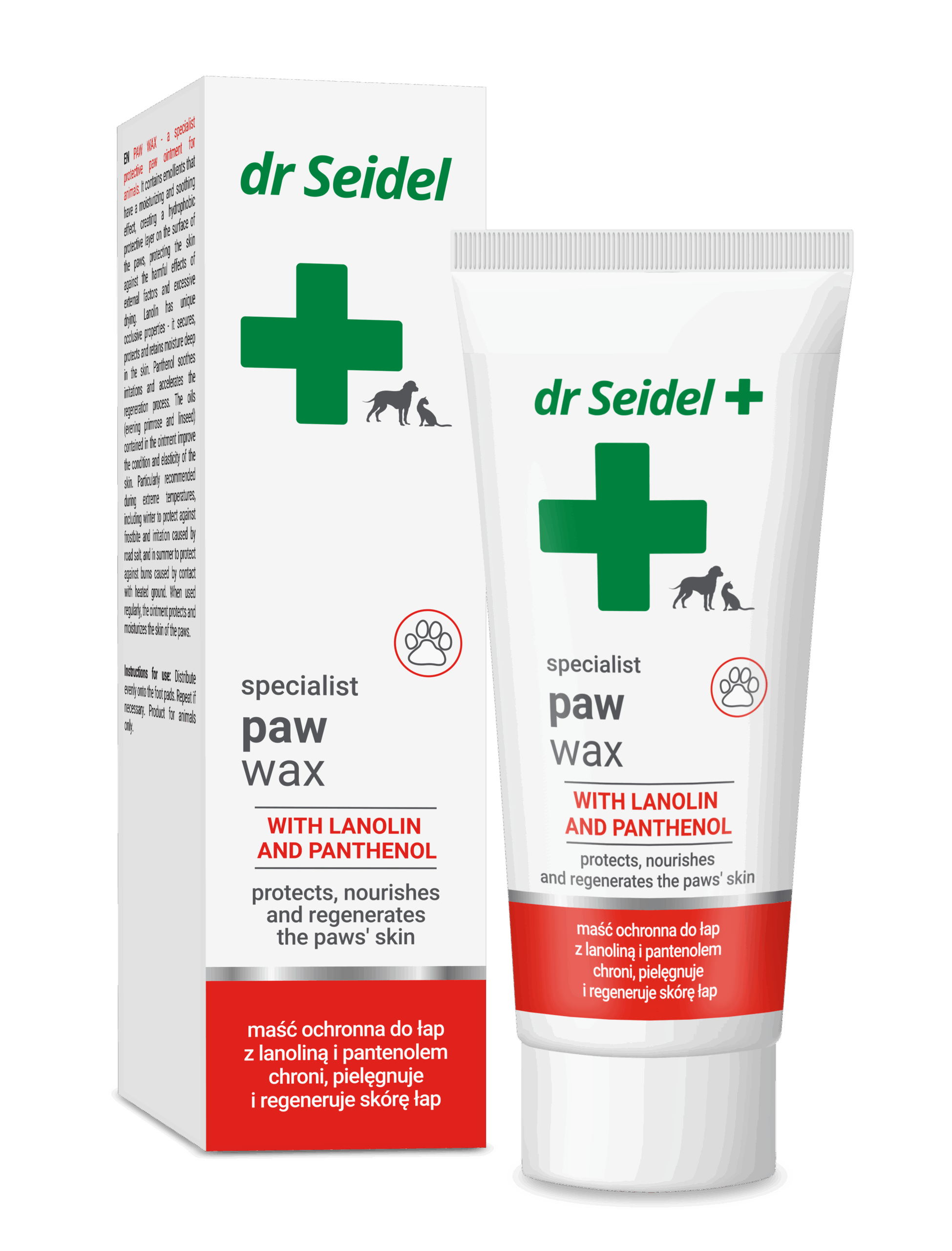
After walks, especially in the rain or in winter, paws should be washed thoroughly. It is also worth using products that care for and protect the paws, such as dr Seidel’s Paw Wax protective paw ointment. Paw Wax moisturises and nourishes the paw pads, leaving a protective layer that helps protect your dog’s paws from injuries, cracking and dryness caused by walks on hard surfaces, frost or heat.
How to care for dogs’ ear and eye hygiene
The frequency of ear care depends on your dog’s lifestyle and breed. Dogs with long ears or dogs that enjoy swimming require special attention, sometimes even every few days. Dogs’ ears should be cleaned using products specifically designed for this purpose, such as Dr Seidel’s Ear Cleansing Liquid for dogs and cats. The liquid effectively removes dirt and discharge, helping to prevent the growth of bacteria in the ear flap and ear canal. It softens the epidermis and supports its regeneration. The menthol contained in the product reduces itching and helps prevent pets from scratching their ears.
Remember! Never clean your dog’s ears with a cotton bud — this can push earwax deeper into the ear or damage the ear if the dog moves suddenly. Cotton wool is also unsuitable, as a fragment may get stuck in the ear. It is best to use a soft applicator, such as the one included with Dr Seidel’s liquid, or a cosmetic pad with the product applied to it.
The eye area is particularly delicate. Dogs’ eyes may need to be wiped even daily with a liquid intended for this purpose, such as Dr Seidel’s Eye Cleansing Liquid for dogs and cats. It gently and effectively removes dirt and discharge from around the eyes. It contains moisturising and nourishing ingredients, helping to prevent the skin from drying out. Thanks to allantoin, eyebright infusion and green tea infusion, it soothes irritation caused by eye discharge. In addition to cleaning the eye area, long-haired breeds should also have the fur on their muzzle trimmed regularly so that the hair does not irritate the eyes.


Puppy supplementation
What should you pay attention to?
The diet of a young puppy is especially important, as they are growing rapidly and developing both physically and mentally. During this period, the body needs properly balanced nutrients — protein, fats, vitamins and minerals — to support the development of bones, muscles and the nervous system. Nutritional mistakes at this stage may have long-term consequences, so it is worth choosing foods designed especially for puppies and adapted to their expected adult size. Feeding frequency is also important — smaller but more frequent meals help reduce the burden on the digestive system and maintain a steady energy level.
Dog nutrition is not only about choosing the right food, but also about building a healthy routine. Regular meals served at fixed times help support digestive stability and give the dog a sense of security. There are many options available on the market — dry food, wet food or mixed feeding models — so it is worth adapting the feeding method to the dog’s individual needs, activity level and health condition.
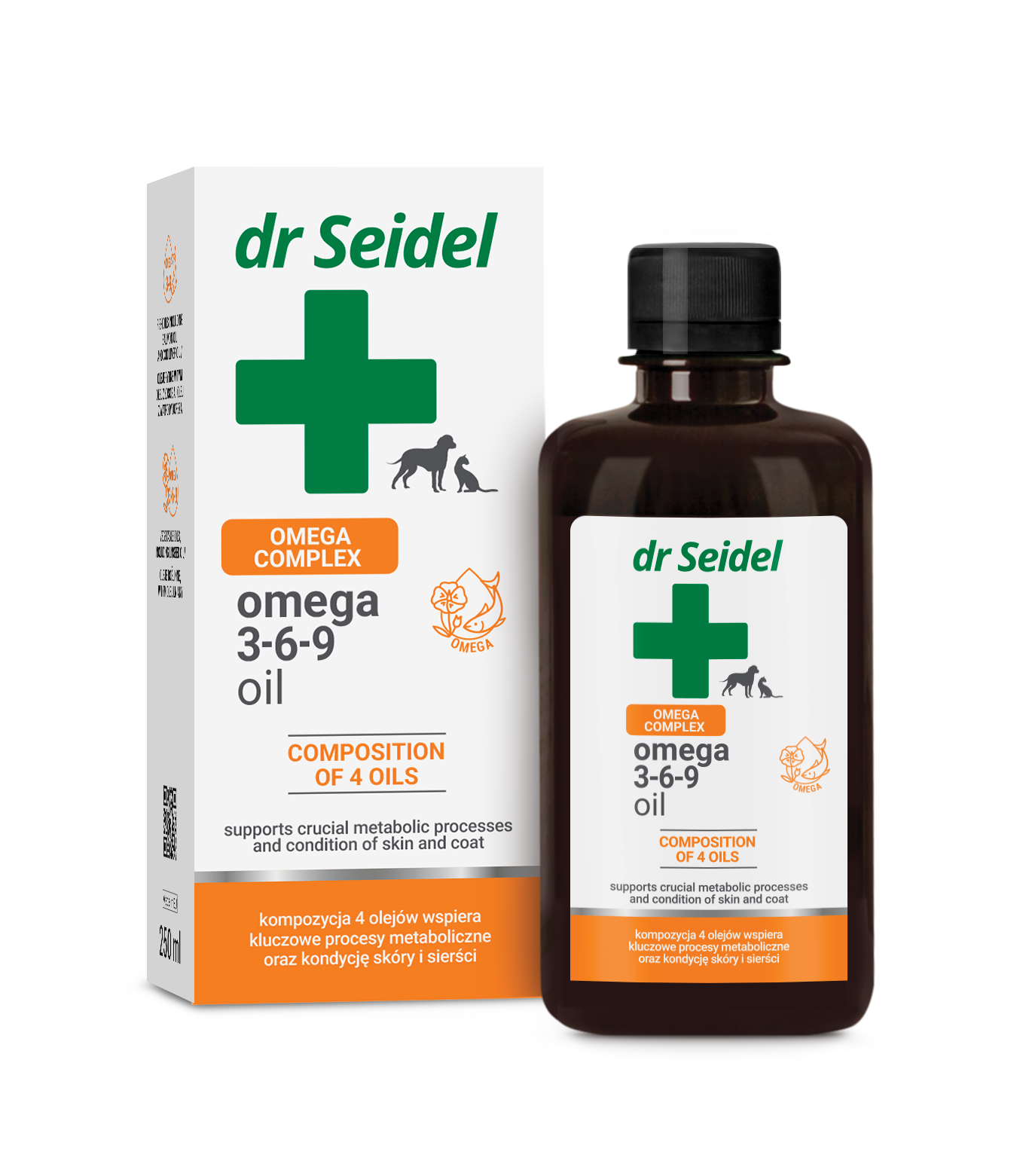
It is also worth remembering that the diet can be additionally supported with properly selected supplementation. During periods of intensive growth, comprehensive support for the body is particularly important — including the joints, skin and coat, as well as immunity. The Dr Seidel range includes supplements in various convenient forms, making it easy to match them to the dog’s preferences and the owner’s convenience. These may include tasty tablets, including soft forms, powders to add to meals, pastes, oils and syrups, which work well for both puppies and adult dogs.
Depending on your dog’s needs, it is worth choosing products that support proper development and joint condition, especially in large and fast-growing breeds; supplements that help maintain healthy skin and a shiny coat, for example with added omega 3-6-9 fatty acids; as well as products that strengthen the body’s natural immunity, particularly during adaptation to a new home, periods of increased stress or seasonal changes. This broad support helps take care of a puppy’s harmonious development from the very first months of life.
Treats and chews should not be forgotten either — they serve not only as rewards, but also satisfy the natural need to chew, support oral hygiene and can provide a valuable form of activity and play for the dog.

How to protect your dog from ticks
Ticks are parasites that prefer damp forests, but they are increasingly found in urban parks and gardens as well. In our climate, they are active all year round, which increases the risk of transmitting dangerous diseases. That is why it is important to provide year-round protection for our pets, especially against serious diseases such as babesiosis and Lyme disease.
Sabunol PLUS is a trusted collar that combines anti-tick and anti-flea protection. It ensures effective elimination of ticks and fleas for up to 5 months thanks to three active substances: permethrin, imidacloprid and geraniol. While the collar is being worn, these substances are released and spread over the dog’s skin and coat, acting on ticks and fleas through contact.
The purpose of these substances is to disrupt the nervous system of ticks and fleas, leading to the death of the parasites. Suitable for use from 3 months of age.


Products that support a dog’s adaptation to a new place
Introducing a daily routine for your dog
A daily routine is very important for a dog. It helps them adapt to a new environment, makes them feel confident and safe, and supports the development of a bond with their owner.
The daily schedule should include fixed feeding times, regular walks and grooming, including cleaning the eyes, ears and teeth, as well as brushing. Playtime and training are also essential, as dogs learn through play, develop appropriate behaviours and build a bond with their owner. This contributes to the dog’s happiness — and, as a result, to the owner’s happiness too.
Products supporting a dog’s adaptation to a new place
A dog’s adaptation to a new place can be supported by the use of dog pheromones, which help reduce stress levels and increase the sense of security. They are available in the form of diffusers, sprays or collars and mimic natural substances released by female dogs, which have a calming effect on dogs. They are particularly helpful during the first days after a change of environment, when moving home or when a puppy arrives in the household. Pheromones should be treated as support during the adaptation process — combined with a calm introduction, routine and the owner’s presence, they can significantly help a dog adjust to a new situation.
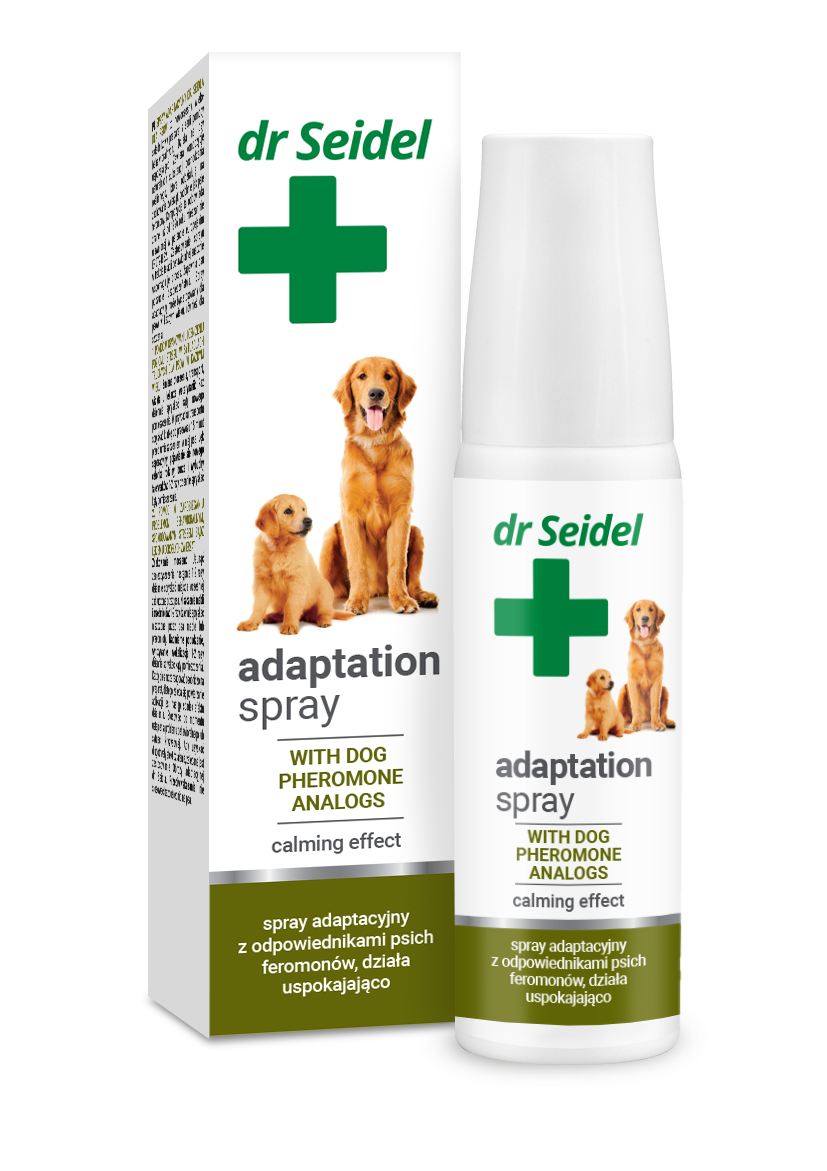
It is worth using behavioural support products, such as Dr Seidel’s adaptation range, which includes the Adaptation Collar, Adaptation Spray and Electric Adaptation Evaporator. These products contain a blend of natural substances that influence animal behaviour in a similar way to dog pheromones. They help provide dogs with a sense of security and are suitable for dogs of all ages.
Products supporting house-training
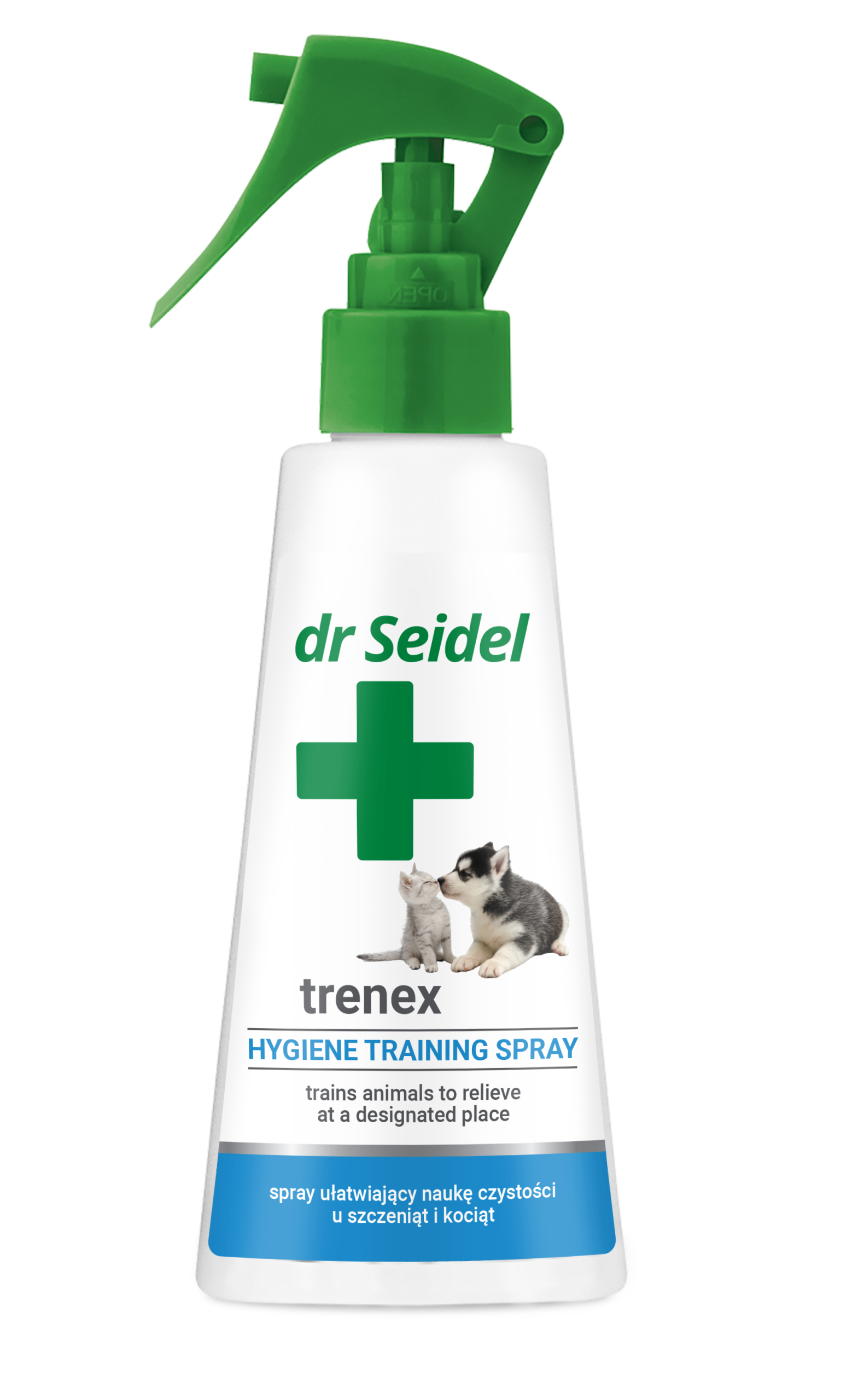
A puppy has a natural need to relieve themselves frequently and does not yet fully control their physiological needs. The problem arises when they do not know where they should do it, which can lead to “accidents” at home. The solution is to consistently show the puppy the right place and reinforce correct behaviour — and this is where Trenex can be helpful. Thanks to its scent, the product guides the dog to the appropriate spot, such as a training pad, supporting and speeding up the house-training process.


17 May 2026
